 #1
Russell Group
#1
Russell Group
The UK combines a one-year Master's format, a large concentration of highly ranked universities, and a structured post-study work route. Get a free, personalised university shortlist for the 2026/27 intake in under 2 minutes.
Get Your Free UK University Shortlist
Our counsellor will call you within 30 minutes
✓ 2 min process · ✓ No spam, ever · ✓ Free callback in 30 min
 QS Rank #4
★★★★★ 2 months ago
"BrainEdge provided me with an excellent service in applying for UK visa successfully. Not only just a wonderful experience but also guidance throughout the application timeline whenever I faced any problem or doubt. Without any hassle or delay, I received my Global Talent visa. I would recommend it anybody applying for study or work visa, especially for the UK, as they offer one of a kind expertise."
Antarjot Kaur · Google review
Two things consistently drive Indian students toward the UK over other destinations: the academic standing of its universities, and a postgraduate format that is genuinely shorter than the alternatives.
24
Russell Group Universities
1 Year
Standard Master's Duration
88%
Graduates in Work/Study
18-24 Mo
Graduate Route Post-Study Work
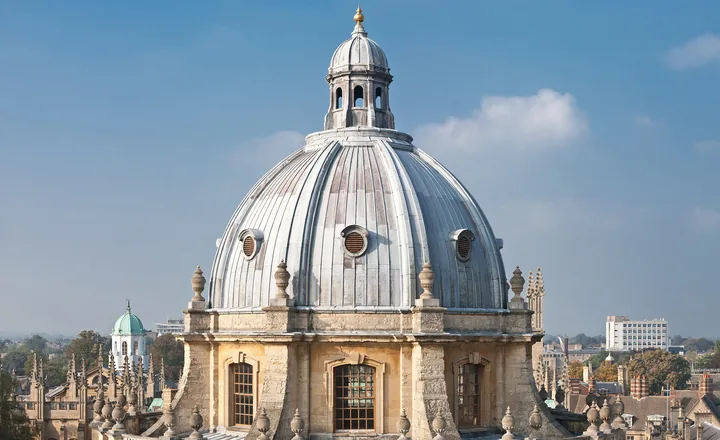
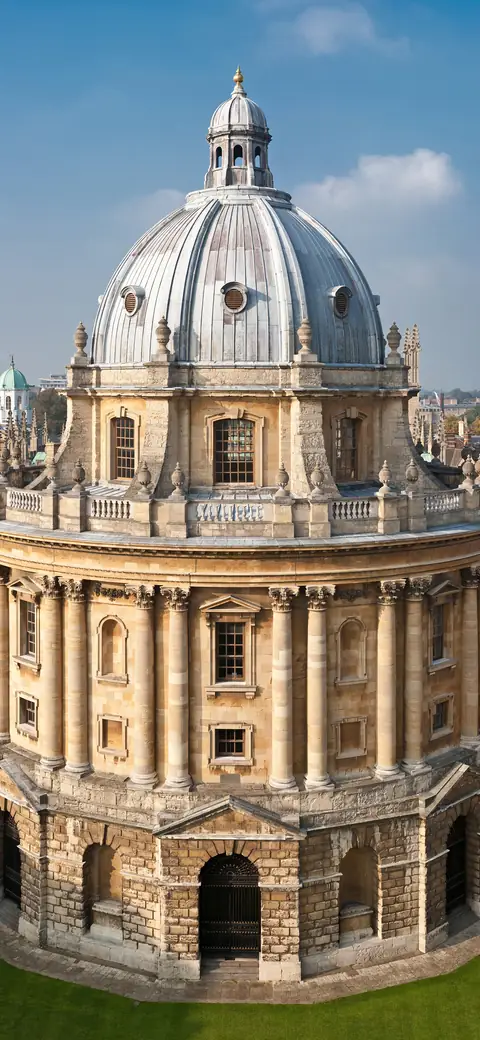
Academic Excellence and Global Recognition. The UK is home to 24 Russell Group universities — a group of research-intensive institutions that includes Oxford, Cambridge, Imperial College London and UCL. Degree-awarding powers in the UK are subject to formal external quality oversight, so a UK degree carries a consistent standard of recognition wherever in the country you study.
The 1-Year Master's Advantage. A UK taught Master's is typically completed in twelve months, against the two years standard in the US, Canada and Australia. That difference compounds: one year less tuition, one year less in living costs, and up to a year's earlier entry into the job market.
UK universities teach across almost every discipline, but Indian students concentrate heavily around a handful of subject areas. Use the list below to jump straight to the subject you're researching.
1-year postgraduate specialisation in commercial, corporate, IP or international law.
Explore LLM → 🩺5–6 year undergraduate clinical degree leading to GMC registration in the UK.
Explore MBBS → 💼12-month intensive postgraduate business and finance programmes.
Explore MBA → 🎓1-year MSc/MA programmes across every discipline — full guide linked below.
Explore Masters → 💊Regulated healthcare degrees leading to NMC or GPhC registration.
Explore Nursing → 💻Technology degrees with strong placement records, plus emerging AI specialisations.
Explore CS & AI → 🏛️35+ further subjects, from Engineering to Psychology to Architecture.
Browse all →An LLM (Master of Laws) is a one-year postgraduate law degree, and the UK's common-law tradition makes it a natural choice for Indian law graduates who want to specialise. Entry typically requires an LLB or equivalent with a First Class or strong Second Class (2:1) result, along with an IELTS score of around 6.5–7.0.
University
City
Indicative LLM Fees (GBP)
Typical Entry Requirement
University of Cambridge
Cambridge
£38,000 – £42,000
First Class LLB or equivalent
University of Oxford
Oxford
£36,000 – £40,000
First Class LLB or equivalent
London School of Economics (LSE)
London
£28,000 – £34,000
Upper Second (2:1) or above
UCL
London
£26,000 – £33,000
Upper Second (2:1) or above
King's College London
London
£26,000 – £32,000
Upper Second (2:1) or above
Not every UK LLM is automatically recognised by the Bar Council of India for practice back in India. If returning to practise in India matters to you, check your target university's current BCI recognition status directly before applying.
Studying Medicine in the UK is a longer and more expensive commitment. The standard route is a 5-year undergraduate MBBS/MBChB. Competitive applicants typically need 90%+ aggregate in Class 12 with strong Chemistry and Biology results, plus the University Clinical Aptitude Test (UCAT). NEET is not required for UK admission, but is relevant if you later want to register to practise in India.
University
City
Course Length
Indicative Fees (GBP/year)
University of Oxford
Oxford
6 years
£45,000 – £55,000
University of Cambridge
Cambridge
6 years
£45,000 – £55,000
Imperial College London
London
6 years
£48,000 – £58,000
UCL
London
6 years
£42,000 – £52,000
University of Manchester
Manchester
5 years
£36,000 – £46,000
→ UK student visa guidance | Explore more about Medicine (MBBS) →
UK Business Schools compress the MBA into a single intensive year. Most competitive programmes expect 3+ years of work experience, a 2:1 undergraduate degree, and a GMAT/GRE score. IELTS 6.5–7.0 is typical.
£45k
Average UK MBA Fee
£58k
Average Post-MBA Salary
65%
Average Salary Uplift
~2.5 Yrs
Estimated Payback Period
Choose MSc Finance if: you are a recent graduate (0–2 years' experience) aiming for a technical finance role.
Choose an MBA if: you have 3+ years of professional experience and want a general-management or leadership track.
→ Get MBA admissions guidance | Explore more about MBA, Management & Finance →
UK Master's programmes (MSc/MA) are almost always one year long, and a standard 3-year Indian bachelor's degree is accepted as entry. For a full breakdown of programme structures and subject-by-subject university options, see our dedicated guide.
Full guide to a Masters in the UK →Nursing and Pharmacy are both regulated healthcare professions with strong demand in the UK, but they lead to different registrations.
Subject
Duration
Indicative Fees (GBP/year)
Registration Body
Nursing (BSc)
3 years
£20,000 – £28,000
Nursing and Midwifery Council (NMC)
Pharmacy (MPharm)
4 years + 1-year foundation
£22,000 – £30,000
General Pharmaceutical Council (GPhC)
Entry typically requires strong Class 12 PCB scores (around 60%+) along with English proficiency evidence. After graduating, internationally educated nurses register with the NMC via its Test of Competence.
An MPharm is a 4-year integrated master's-level degree, followed by a 1-year foundation training placement and a registration assessment set by the GPhC. Entry typically requires Class 12 PCB scores of around 55–60%+ and IELTS 6.5–7.0.
The UK has a deep bench of strong Computer Science departments, and many universities now offer 4-year 'sandwich' degrees that build in a paid, 12-month industry placement.
University
City
Indicative Fees (GBP/year)
Typical Entry (Class 12)
University of Cambridge
Cambridge
£38,000 – £48,000
90%+
Imperial College London
London
£36,000 – £44,000
85%+
UCL
London
£32,000 – £40,000
85%+
University of Manchester
Manchester
£27,000 – £35,000
75%+
Artificial Intelligence, Data Science and Business Analytics are growing fast as dedicated Master's specialisations. This is a genuinely emerging area, so treat it as a strategic option worth researching directly with target universities.
If your subject isn't covered in detail above, it's very likely still available. This grid is a starting point for the rest.
Mechanical, Civil, Electrical and Aerospace specialisations.
ACCA/CIMA-aligned programmes with strong professional accreditation.
BPS-accredited undergraduate and postgraduate programmes.
General management, strategy and leadership degrees.
Digital marketing, brand management and consumer behaviour.
Global politics, diplomacy and security studies.
The UK has more than 140 degree-awarding institutions. The Russell Group represents the highest concentration of research funding and global reputation, but strong subject-specific options exist well beyond that group.
#1
Russell Group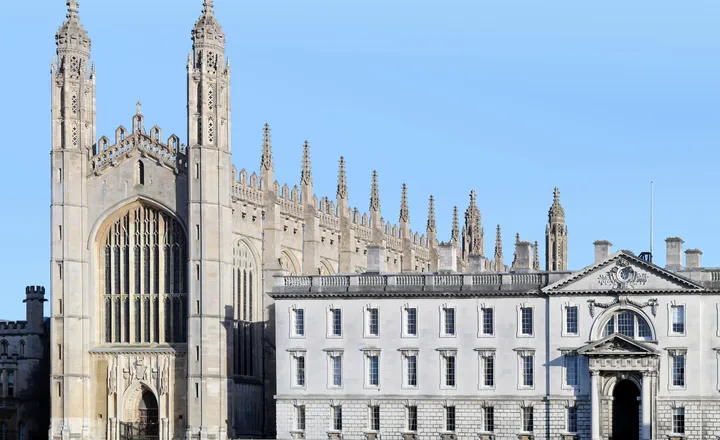 #2
Russell Group
#2
Russell Group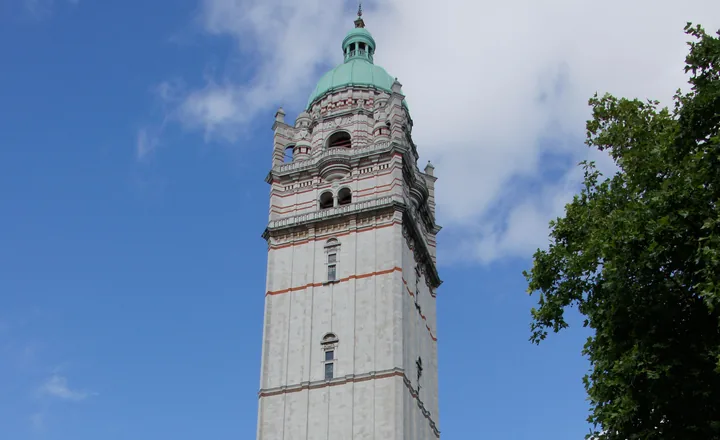 #3
Russell Group
#3
Russell Group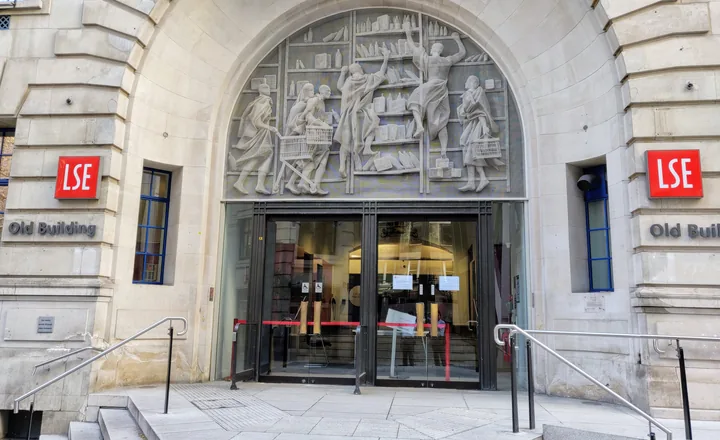 #4
Russell Group
#4
Russell GroupA blended index based on QS World 2026, THE World 2026, and CUG UK 2027 rankings.
Blended Rank
University
QS World 2026
THE World 2026
CUG UK 2027
1
University of Oxford
#4
#1
#2
2
University of Cambridge
#6
#3
#1
3
Imperial College London
#2
#8
#5
4
London School of Economics
#56
#52
#3
5
UCL
#9
#22
#18
6
King's College London
#31
#38
#20
This is a blended reference calculation, not an independent ranking authority. Students should still evaluate individual departments and course strength.
UK universities assess applications holistically. There is no single number that applies everywhere, so treat the ranges below as a starting point for your own target list.
Yes — a number of UK universities will admit Indian students without a standalone IELTS score, provided you meet one of their accepted alternative English-proficiency routes.
University
Accepted Alternatives
Notes
University of Bristol
MOI, PTE, TOEFL
MOI typically accepted within 2 years of graduation
University of Warwick
MOI, PTE, TOEFL, Duolingo
Assessed case by case
University of Birmingham
MOI, PTE, TOEFL
MOI accepted from recognised institutions
Coventry University
MOI, PTE, TOEFL, Duolingo
One of the broader ranges of alternatives accepted
A UK university can issue an offer letter without requiring IELTS. That does not bind UK Visas and Immigration (UKVI), which makes its own, separate assessment of your English ability. If your university waives the English test, it is worth taking an approved test like PTE anyway as a safety margin against visa-stage questions.
→ UK visa consultants — for visa-specific English requirements
A UK application runs on two separate clocks — when the intakes happen, and how the application process itself works. Most students start serious planning 12–18 months before their intended start date.
Intake
Typical Application Window
Course Start
Best For
September/October
Autumn – January (year prior)
September
All courses — widest choice
January/February
Mid-year (year prior)
January
Postgraduate: Business, Computing, Engineering
May
Winter (same year)
May
Select postgraduate business programmes
Research and shortlist (12–18 months prior)
Identify programmes, confirm entry requirements, and prepare for any required entrance test.
Prepare documents (8–12 months prior)
Draft your SOP, request references, and update your CV.
Submit your application
Undergraduate applicants apply through UCAS; postgraduate applicants apply directly through each university's portal.
Accept and pay your deposit
Accepting your offer triggers your Confirmation of Acceptance for Studies (CAS) for your visa application.
The honest answer has two parts: tuition, which is fixed once you enrol, and living costs, which depend on where you live. This section covers tuition and gives you a combined total.
Funding is a separate question from cost. A small number of well-known, government-backed and university awards account for most of the realistic funding available to Indian students.
Scholarship
Provider
Coverage
Who It's For
Deadline
Chevening Scholarship
UK Government (FCDO)
Fully funded: tuition, monthly stipend, one return flight
PG applicants, typically 2+ years' work experience
Closes 6 Oct 2026
Commonwealth Shared
Commonwealth Scholarship Commission
Full tuition, monthly stipend and airfare
Indian nationals meeting CSC's current criteria
Opens autumn, closes winter
GREAT Scholarships
British Council + UK Govt
£10,000 towards tuition, 1-year PG courses
Indian passport holders, 2026/27 cycle
Set per university
University Merit Awards
Individual universities
£1,500 – £10,000 (varies)
Academic merit
Rolling
Day-to-day life varies more by city than almost anything else. London costs meaningfully more than most other UK cities, and that difference shows up in both your monthly budget and the visa funds you need to prove.
To qualify for a UK Student visa, you must show you can cover living costs for up to 9 months, at these GOV.UK-set monthly rates:
DO: work up to 20 hours per week during term-time (for degree-level courses), and full-time during official university vacations.
DON'T: exceed the 20-hour weekly cap during term-time, work as a professional sportsperson or entertainer, be self-employed, or take a permanent full-time role.
The Graduate Route is the UK's main post-study work visa, and it's currently in the middle of a confirmed change that matters for planning your intake.
If you apply on or before 31 December 2026: the Graduate Route grants 2 years of post-study work eligibility (Bachelor's and Master's graduates).
If you apply on or after 1 January 2027: the Graduate Route will grant 18 months instead of 2 years, for Bachelor's and Master's graduates.
PhD graduates: continue to receive 3 years under the Graduate Route, unaffected by this change.
→ UK visa consultants — Graduate Route & Skilled Worker guidance
To study in the UK, you'll need a Student visa. In outline, that means securing a Confirmation of Acceptance for Studies (CAS) from your university, demonstrating you can meet the financial requirement, and paying the Immigration Health Surcharge (IHS).
This page gives orientation only — the detailed, step-by-step process, document checklist and financial-requirement guidance live on our dedicated visa page.
If you're ready to move from research to action, here are three specific, low-commitment ways to get personalised admissions help.
Revisit the full, on-page admission checklist any time — no form required to read it.
Go to ChecklistTell us your subject, intake and budget. We'll send a personalised shortlist on WhatsApp within 24 hours.
💬 Get Shortlist on WhatsApp600+
Students Placed in UK
15+
Years Experience
50+
Partner Universities